


 中文简体
中文简体 English
 Français
 عربى
عربى + 86-15988502726 (WeChat)



Vous pouvez me contacter en utilisant ce formulaire.
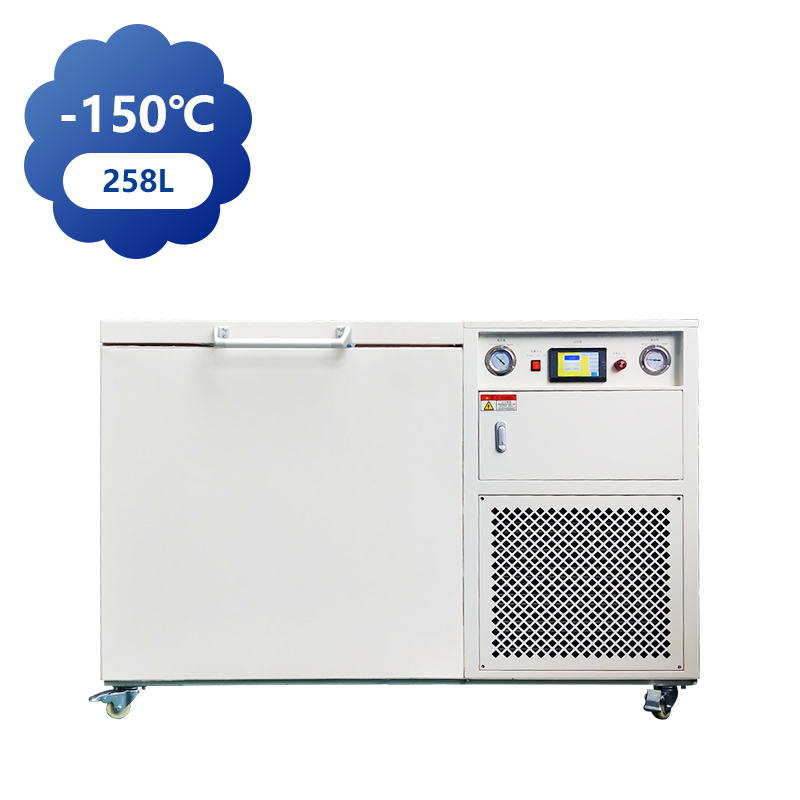
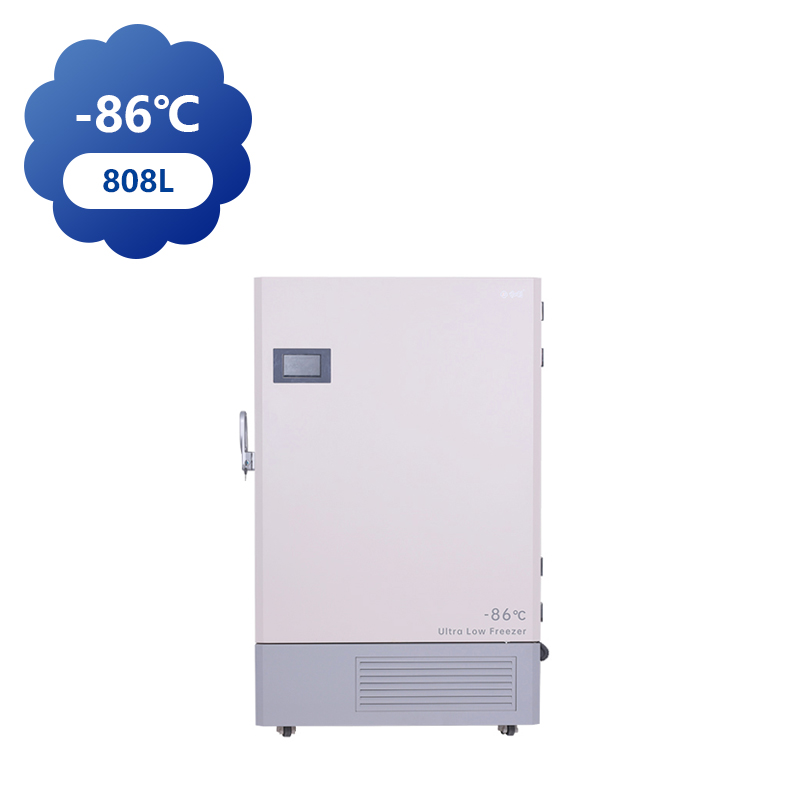
For laboratories, biobanks, healthcare facilities, and life science companies, selecting an ultra-low temperature freezer involves much more than finding equipment that reaches a required setpoint. Energy use, storage capacity, temperature stability, monitoring, maintenance, and available laboratory space can all influence the long-term value of the equipment. As operating costs receive greater attention in laboratory management, an Industrial ULT Freezer needs to be evaluated as part of the facility's wider storage strategy rather than simply as another piece of refrigeration equipment.
Look Beyond the Purchase Price
The initial quotation is easy to compare, but it does not represent the complete cost of owning an ultra-low temperature freezer. Electricity consumption, preventive maintenance, service requirements, replacement components, and expected operating life can all affect the purchasing decision.
Recent guidance for ULT freezer buyers specifically highlights the importance of considering refrigeration technology, capacity, laboratory fit, service support, documentation, and total cost of ownership together.
For procurement teams, a more useful comparison should therefore include both acquisition cost and expected operating requirements.
Energy Efficiency Has Become a Procurement Issue
ULT freezers operate at very low temperatures and can remain in service continuously, making energy consumption an important consideration for laboratories managing multiple units. The U.S. Department of Energy notes that conventional ULT freezers can consume substantial amounts of electricity and provides purchasing guidance that includes energy efficiency as part of the acquisition process.
This does not mean buyers should select a freezer based on an energy figure alone. Cabinet size, temperature setting, insulation design, loading pattern, ambient conditions, and maintenance practices can all influence actual consumption.
A professional manufacturer should help buyers understand how the equipment configuration relates to its intended operating environment.
Capacity Should Match Real Storage Needs
Choosing the largest cabinet available is not always practical solution. An oversized freezer may occupy valuable laboratory space and introduce additional operating requirements, while insufficient capacity can advice to crowded storage and frequent door opening.
A better approach is to evaluate current sample volume together with expected growth. Buyers should consider:
- Required internal storage capacity
- Available floor and door-access space
- Sample organization and retrieval frequency
- Box and rack compatibility
- Future storage expansion
- Number of freezers required across the facility
This helps engineering and purchasing teams select equipment around actual workflows rather than relying on capacity figures alone.
Temperature Monitoring Adds Another Layer of Protection
Maintaining a low setpoint is only one part of protecting temperature-sensitive materials. Continuous monitoring can provide visibility into temperature changes and help laboratory personnel respond when conditions move outside defined limits.
Current ULT monitoring systems commonly combine low-temperature sensors, data logging, remote access, alerts, and reporting functions.
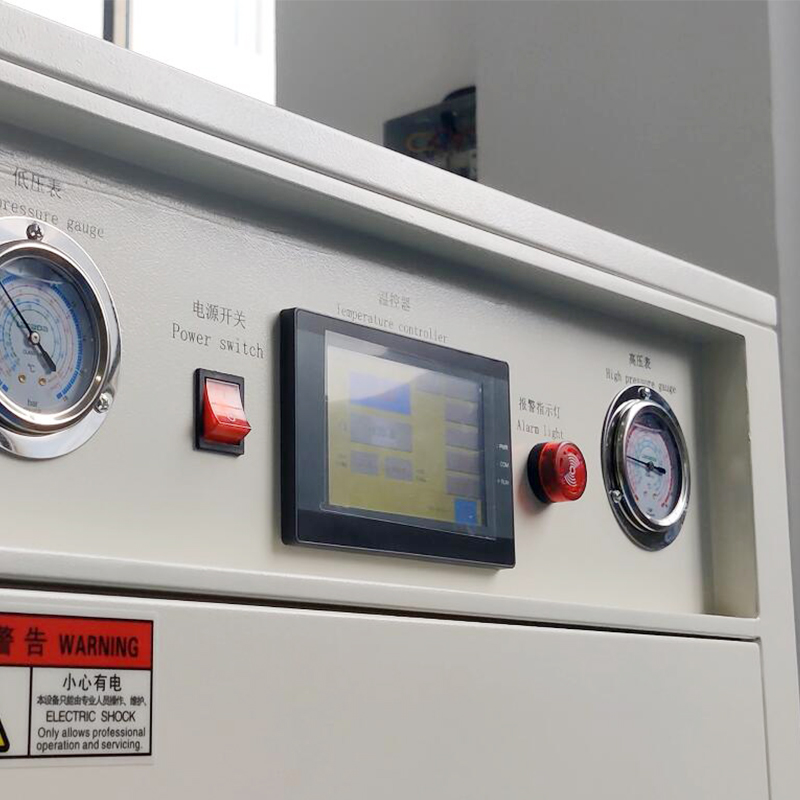
For buyers, monitoring requirements should therefore be discussed during the equipment specification stage. If the freezer will be used for regulated or highly valuable materials, documentation, alarm functions, data storage, and monitoring compatibility may deserve specific attention in the purchasing specification.
Maintenance Should Be Planned From the Start
A freezer that operates continuously needs a maintenance strategy rather than occasional troubleshooting. Preventive maintenance can include inspection of refrigeration components, filters, coils, alarms, temperature systems, and other critical areas.
Recent ULT freezer procurement activity has also included preventive maintenance and continuous temperature monitoring as defined service requirements, showing that equipment purchasing and long-term support are increasingly connected.
For facility managers, asking about maintenance access, service procedures, spare parts, and technical support before purchase can make future equipment management more predictable.
Refrigeration Design Affects Long-Term Operation
The refrigeration system is another area engineers should examine during product selection. Compressor configuration, insulation, heat rejection, control systems, and refrigerant technology can influence how an ULT freezer performs within a particular facility.
Current procurement specifications for ULT equipment increasingly address refrigeration architecture, insulation, controls, alarms, and data functions together rather than treating temperature capability as the only technical requirement.
As a manufacturer, we recommend evaluating these elements as a complete system. The appropriate configuration depends on storage requirements, installation conditions, capacity, electrical supply, and the customer's operating priorities.
Make the Specification Easier to Compare
A clear technical specification can significantly improve communication between laboratories, purchasing teams, and manufacturers. Instead of comparing products using only cabinet volume and temperature range, buyers can create a broader checklist covering the equipment's actual operating requirements.
Useful comparison points include:
- Temperature range and control method
- Storage capacity and internal configuration
- Energy-related specifications
- Alarm and monitoring functions
- Insulation and door structure
- Electrical requirements
- Maintenance access
- Warranty and service support
- Required certifications and documentation
This approach gives procurement teams a stronger basis for comparing quotations and identifying differences that may not be visible from the product price.
Choosing Equipment for the Full Operating Cycle
An ultra-low temperature freezer is a long-term laboratory asset, so the purchasing decision should consider what happens after installation as well as what appears on the initial specification sheet. Energy efficiency, storage planning, monitoring, maintenance, and technical support all contribute to practical equipment value. For laboratories, biobanks, healthcare organizations, and industrial research facilities evaluating an Industrial ULT Freezer, working with a manufacturer that can discuss both technical configuration and long-term operating requirements can make the sourcing process more informed and better aligned with the facility's actual needs.
